
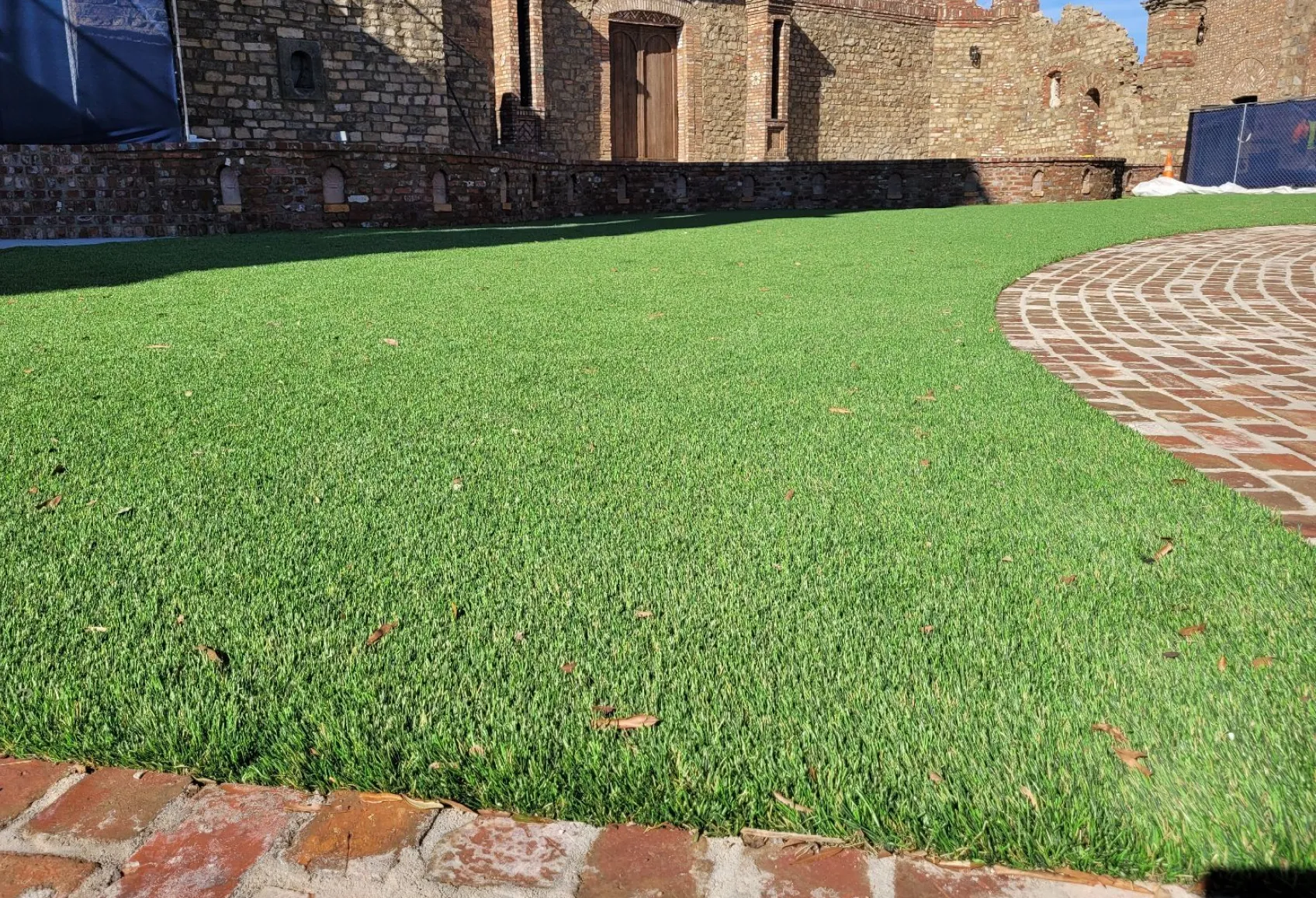
Artificial Turf vs Natural Turf: The Pros and Cons Artificial turf, also known as synthetic turf or fake grass, has gained popularity as a low-maintenance alternative to natural turf in recent years. While it offers several advantages, it also comes with a few drawbacks. In this article, we will explore the pros and cons of Artificial turf versus natural turf.
Pros of Artificial Turf:
1. Low Maintenance: One of the main advantages of artificial turf is its low maintenance nature. Unlike natural turf, which requires regular watering, mowing, and fertilization, artificial turf does not need as much care. It saves time, effort, and money on maintenance in the long run.
2. Durability: artificial turf is designed to withstand heavy usage and extreme weather conditions. It is resistant to wear and tear, making it suitable for high-traffic areas such as playgrounds and sports fields. It maintains its green and lush appearance throughout the year, without the need for constant maintenance.
3. Water Conservation: In today’s world where water scarcity is a grave concern, artificial turf is an eco-friendly choice. It does not require constant watering, saving a significant amount of water compared to natural turf. It is especially beneficial in regions with limited water resources or areas facing drought conditions.
4. Allergy-friendly: Natural turf can aggravate allergies and asthma due to pollen and various grasses. Artificial turf eliminates this issue as it does not produce pollen or support the growth of common allergens. It provides a safer and allergy-friendly environment for individuals who suffer from respiratory conditions.
Cons of Artificial Turf:
1. Initial Cost: The installation of artificial turf involves a significant initial investment. The materials and labor required for installation can be more expensive than natural turf alternatives. However, the long-term benefits of low maintenance and water conservation often offset the initial cost.
2. Heat Retention: artificial turf tends to retain heat, particularly during hot summer months. This can make the surface uncomfortable to walk or play on, especially without proper cooling systems in place. It is important to consider shading options or incorporating cooling measures for artificial turf installations in areas with high temperatures.
3. Environmental Impact: Although artificial turf offers water conservation benefits, it also has some environmental concerns. It is made from synthetic materials such as polyethylene and polypropylene, which are derived from non-renewable resources. Additionally, the disposal of worn-out Artificial turf can pose challenges in terms of recycling and waste management.
4. Aesthetics: While artificial turf can mimic the appearance of natural grass, some people may argue that it lacks the authenticity and charm of real turf. The texture and feel of artificial turf may not match the natural experience provided by real grass.
In conclusion, artificial turf offers significant advantages in terms of low maintenance, durability, water conservation, and allergy-friendly. However, it has drawbacks such as the initial cost, heat retention, environmental impact, and potential aesthetics concerns. Assessing the specific needs and requirements of your project or location is crucial in determining whether artificial turf is the right choice for you. If you want to learn more or receive a free estimate give our team a call at (864) 275-2039